Source forged 6061 t6 aluminum wheel spacers for SUVs, Trucks, and Off-road Vehicles
Compare 30 listings for forged 6061 t6 aluminum wheel spacers from verified manufacturers in China. Buyers can evaluate specifications like PCD, thickness, and center bore options to find suitable parts for SUVs, trucks, and off-road vehicles.
Key considerations
Products List


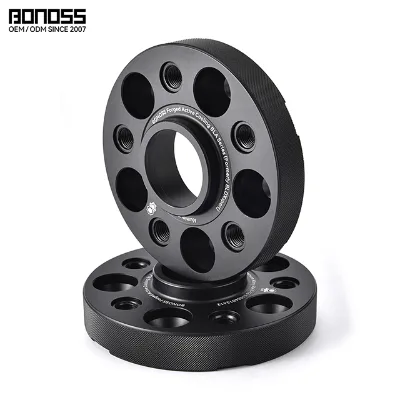
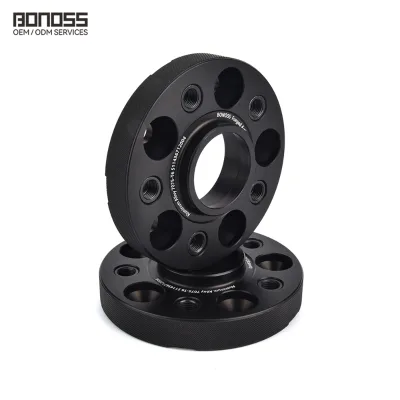
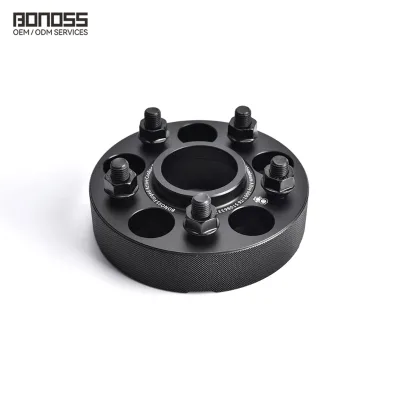






Comprehensive Sourcing Guide
Strategic Sourcing Guide for Forged 6061-T6 Aluminum Wheel Spacers
Understanding Material Integrity and Manufacturing Processes
When sourcing forged 6061-T6 aluminum wheel spacers, the primary objective is to secure components that offer superior structural integrity compared to their cast counterparts. The designation "6061-T6" refers to a specific aluminum alloy containing magnesium and silicon, which is heat-treated to the T6 temper state. This process significantly enhances the material's tensile strength and yield strength, making it ideal for high-stress automotive applications. In the context of the available market data, the material composition is a critical differentiator. While some suppliers list generic "Aluminum" or "Forged Aluminum Alloy 6061-T6," buyers must verify that the specific batch matches the T6 temper specification, as this directly correlates to the spacer's ability to withstand dynamic loads without deformation.
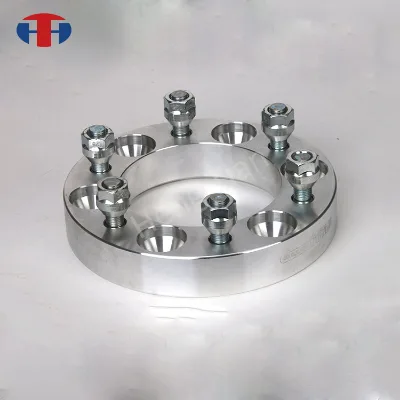
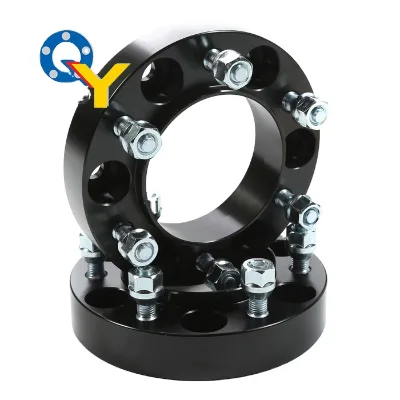
The manufacturing process for these spacers typically involves CNC turning, milling, and drilling operations. The supply chain data indicates that advanced processing methods such as CNC turning and milling parts are standard for achieving the precise geometries required for wheel spacers. The surface treatment is equally vital; observed data points to finishes including Black Hard Anodized, Polishing, and General Oxidation. For forged spacers, hard anodizing is often preferred as it increases surface hardness and corrosion resistance, protecting the aluminum substrate from road salts and environmental exposure. Buyers should scrutinize the finishing specifications to ensure the process aligns with the intended vehicle environment, whether it be a daily driver or a high-performance track vehicle.
Technical Specifications and Dimensional Precision
Precision is non-negotiable in the wheel spacer market. A spacer that does not fit perfectly can lead to vibration, uneven tire wear, or catastrophic failure of the wheel assembly. The technical specifications for forged 6061-T6 spacers must be evaluated against specific vehicle parameters. The data highlights several critical dimensional attributes that buyers must verify. The PCD (Pitch Circle Diameter) is a fundamental specification, with observed values including 5x112 and 5x120. Additionally, the center bore options are diverse, ranging from 60.1mm to 74.1mm, with specific mentions of 65.1mm, 67.1mm, 72.5mm, and 72.6mm.
The thickness of the spacer is another variable that requires careful selection. Market observations indicate a thickness range of 20mm to 45mm, with specific models offering 25-45mm or 20mm options. The step options, such as "Without Step" or a 9mm step, are also crucial for ensuring proper clearance with the vehicle's suspension components and wheel wells. Furthermore, the bolt hole size is a critical interface point, with observed sizes including 13mm, 15mm, and 16mm. The tolerance for surface roughness is specified as +/-0.005-0.01mm with Ra values between 0.2 and 3.2, indicating a high level of machining precision. Buyers must ensure that the supplier can maintain these tight tolerances, as deviations can compromise the safety of the wheel assembly.
| Specification Category | Observed Market Data | Verification Requirement |
|---|---|---|
| Material | Forged Aluminum Alloy 6061-T6 | Confirm T6 temper certification |
| PCD | 5x112, 5x120, 108 mm | Match exact vehicle hub pattern |
| Center Bore | 60.1mm, 65.1mm, 67.1mm, 72.5mm, 72.6mm, 74.1mm | Verify hub-centric fitment |
| Thickness | 20mm, 25-45mm | Calculate required offset change |
| Bolt Hole Size | 13mm, 15mm, 16mm | Ensure compatibility with lug bolts |
| Surface Finish | Black Hard Anodized, Polished | Assess corrosion resistance needs |
Compliance, Certification, and Quality Assurance
Navigating the compliance landscape for automotive components requires a rigorous approach to certification and quality assurance. The supply data indicates that suppliers often hold ISO certifications, with some listing ISO, VIA, and CE as available credentials. While the presence of an ISO certification is a strong indicator of a managed quality system, buyers must understand that this certifies the manufacturer's process, not necessarily the specific performance of every individual spacer. The "VIA" and "CE" marks suggest adherence to specific regional or industry standards, but their applicability depends on the target market and the specific regulatory environment of the vehicle's destination.
Quality control is embedded in the testing equipment and processes available from suppliers. The data lists advanced testing capabilities such as CMM (Coordinate Measuring Machine), Tool Microscope, Multi-Joint Arm, and Automated systems. These tools are essential for verifying the dimensional accuracy of the spacers, ensuring that the PCD, center bore, and thickness fall within the specified tolerances. A reputable supplier should be able to provide test reports generated from this equipment. Furthermore, the "Customization" attribute is prominent, with many suppliers offering services based on customer drawings in formats like PRO/E, Auto CAD, Solid Works, and Ug. This capability allows for bespoke solutions, but it also shifts the burden of design validation to the buyer. When ordering custom spacers, the buyer must ensure that the design accounts for the mechanical properties of 6061-T6 aluminum, particularly regarding shear strength and fatigue life.
Cost Drivers and Pricing Dynamics
The pricing of forged 6061-T6 wheel spacers is influenced by several distinct factors, primarily material costs, manufacturing complexity, and order volume. The observed price range in the market spans from $0.50 to $800 USD, a wide disparity that reflects differences in quantity, customization, and packaging. The lower end of the spectrum likely represents bulk orders of standard sizes, while the higher end may include custom-engineered solutions, small batch runs, or premium packaging. The MOQ (Minimum Order Quantity) ranges from 1 to 200 units, offering flexibility for both small-scale enthusiasts and large-scale distributors.
Material costs are a significant driver, as 6061-T6 aluminum is more expensive than cast aluminum or steel. The forging process itself adds to the cost, as it requires specialized machinery and energy-intensive heat treatment. Surface treatments like hard anodizing also contribute to the final price. Buyers should be aware that "Normal Export Package," "Plastic Bags+Carton+Pallet Packing," and "Master Carton" options are available, and the choice of packaging can impact the overall cost, especially for international shipping. Additionally, the "Quotation" process is often based on specific drawings, meaning that complex geometries or non-standard thicknesses will incur higher costs. It is essential for buyers to request detailed breakdowns of costs to understand the value proposition of the forged material versus alternative options.
Supplier Evaluation and Operational Capabilities
Selecting the right supplier for forged wheel spacers requires a thorough evaluation of their operational capabilities and responsiveness. The data highlights several advantages offered by suppliers, including 24-hour online service and quick quoting. These attributes are critical in a fast-paced procurement environment where time-to-market is a competitive advantage. The ability to provide quotes quickly based on provided drawings indicates a mature engineering and sales infrastructure.
Geographic location is another factor to consider. The supply chain data shows origins in Zhejiang and Guangdong, China, both of which are major manufacturing hubs for automotive components. Suppliers in these regions typically have access to a robust network of raw material providers and specialized machining facilities. However, buyers should verify the specific factory location to assess logistics costs and lead times. The "Customization" availability suggests that many suppliers are willing to work closely with buyers to develop unique solutions. When evaluating a supplier, buyers should request samples to verify the material quality, finish, and dimensional accuracy. It is also advisable to inquire about their testing protocols and whether they conduct batch testing for critical dimensions like PCD and center bore.
Long-Term Procurement and Application Considerations
For long-term procurement, consistency and scalability are paramount. The "Type" of product listed includes Wheel Hub and Wheel Spacers, indicating that some suppliers may offer a broader range of wheel accessories. This can be beneficial for buyers looking to consolidate their supply chain. The "Condition" is listed as "New," which is standard, but buyers should ensure that the spacers are free from defects such as porosity or cracks that can occur during the forging process.
Typical applications for forged 6061-T6 wheel spacers include performance upgrades, off-road vehicles, and commercial fleets requiring increased track width or clearance. The "Drive Wheel" attribute of 4WD suggests that these spacers are suitable for all-wheel-drive systems, which often experience higher torque loads. The "Spoke Type" of Equal Diameter Spoke is a design feature that can influence the aesthetic and structural balance of the wheel assembly. Buyers should consider the long-term implications of using spacers, including the potential impact on wheel bearing life and suspension geometry. While spacers can improve stance and clearance, improper installation or low-quality components can lead to premature wear. Therefore, investing in high-quality forged spacers with verified certifications and precise tolerances is a strategic decision that pays off in vehicle safety and longevity.
In conclusion, sourcing forged 6061-T6 aluminum wheel spacers requires a meticulous approach to technical verification, compliance checking, and supplier evaluation. By focusing on the specific material properties, dimensional precision, and quality control measures outlined in the market data, buyers can secure components that meet the rigorous demands of modern automotive applications. The wide range of available specifications and customization options provides flexibility, but it also necessitates a disciplined procurement strategy to ensure that the final product aligns with safety standards and performance expectations.
FAQs
What material is used for forged wheel spacers?
Forged wheel spacers are made from Forged Aluminum Alloy 6061-T6. This specific alloy provides superior tensile strength compared to cast alternatives, ensuring durability under high-stress automotive loads and dynamic driving conditions.
Which certifications do suppliers typically hold?
Suppliers often hold ISO, VIA, and CE certifications. These credentials indicate adherence to managed quality systems and specific regional standards, though buyers must verify that these apply to the specific batch of spacers being purchased.
How precise are the dimensional tolerances?
Dimensional tolerances are maintained within +/-0.005 to 0.01mm with surface roughness Ra values between 0.2 and 3.2. This high precision ensures proper fitment and prevents vibration or uneven tire wear on the vehicle.
Can suppliers customize the spacer specifications?
Yes, customization is available based on customer drawings in formats like PRO/E, Auto CAD, and Solid Works. Buyers can request specific thicknesses, PCD sizes, and center bore options to match their vehicle's exact requirements.
What surface treatments are applied to the spacers?
Common surface treatments include Black Hard Anodized, Polishing, and General Oxidation. Hard anodizing is preferred for its ability to increase surface hardness and provide corrosion resistance against road salts and environmental exposure.
What is the typical thickness range for these spacers?
The thickness range typically spans from 20mm to 45mm, with specific models offering 25-45mm options. Buyers must calculate the required offset change carefully to ensure proper clearance with suspension components and wheel wells.